US Ends H-1B Visa Lottery, Shifts to Salary-Based Selection: A Turning Point for Global Talent

For generations of skilled professionals around the world, the H-1B visa has represented more than just a work permit—it has symbolized ambition, growth, and the possibility of building a better future in the United States. From software engineers and data scientists to doctors, researchers, and finance experts, millions have viewed this visa as the most direct path to turning years of education and hard work into global careers.
For a long time, however, that dream rested on chance rather than merit.
No matter how qualified an applicant was, selection depended on a random computerized lottery. Highly skilled professionals were often rejected, while others with lower salaries or less specialized roles made it through simply because luck was on their side. That era is now coming to an end.
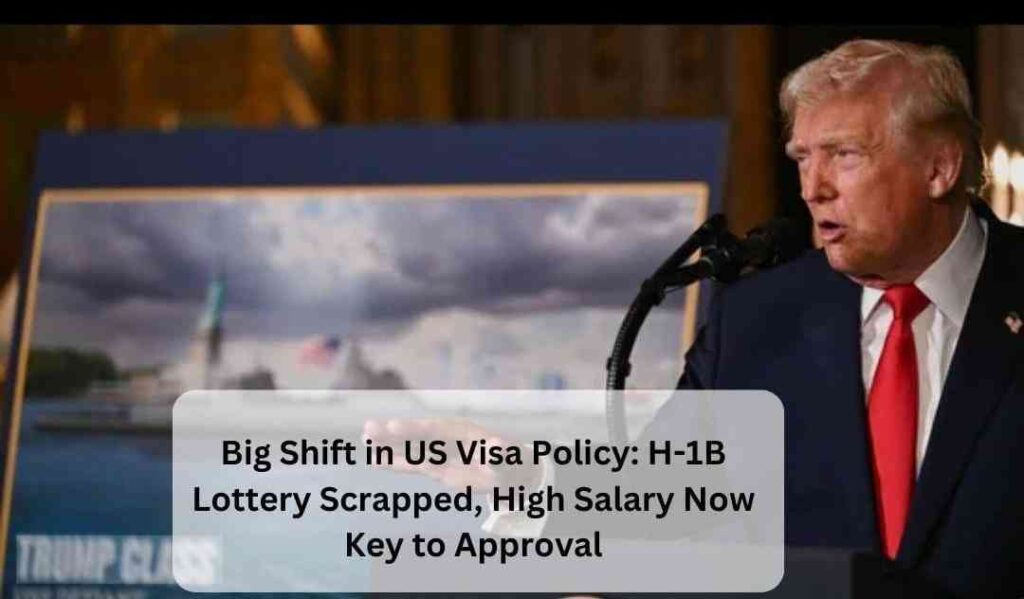
In a major immigration reform, the US government has announced that it will scrap the H-1B lottery system and replace it with a salary-based selection model—one that prioritizes skill, value, and economic contribution over randomness.
Why the Lottery System Is Being Phased Out
The lottery-based approach has been controversial for years. Critics argued that it failed to reward excellence and instead encouraged misuse of the system.
Large staffing and outsourcing firms were often accused of submitting thousands of low-wage applications, dramatically increasing their chances of securing visas. This practice crowded out genuinely skilled candidates and raised concerns about wage suppression in the US job market.
American authorities have acknowledged these issues. By moving away from a random draw and toward a wage-focused system, the government aims to:
- Discourage bulk, low-salary applications
- Protect fair wage standards for US workers
- Ensure that foreign talent brought into the country is truly high-value
The goal is not to reduce skilled immigration—but to improve its quality.
How the New Salary-Based H-1B System Will Work
Under the new framework, H-1B applications will no longer be selected randomly. Instead, they will be ranked based on the salary offered by the employer.
In simple terms, the higher the salary, the higher the priority.
Key features of the new system include:
- Applications sorted by wage level, from highest to lowest
- Preference for specialized and critical skill roles
- Reduced advantage for mass, low-cost hiring models
- Greater focus on experience, expertise, and impact
This approach is designed to ensure that visas are awarded to professionals who bring exceptional value to the US economy.
Visa Quota Remains the Same
Importantly, the reform does not change the total number of H-1B visas issued each year.
The annual limits will remain:
- 65,000 visas under the regular cap
- 20,000 visas reserved for candidates with US master’s degrees or higher
- 85,000 visas in total
What’s changing is not the size of the opportunity—but how it is allocated.
When Will the New Rule Take Effect?
The salary-based selection system is scheduled to come into force on 27 February 2026. It will apply to registrations for the FY 2027 H-1B season.
This transition period gives applicants and employers more than a year to adapt, upskill, and plan strategically for the new reality.
What This Means for Indian Professionals
Indian nationals make up nearly 70% of H-1B approvals each year, making this reform especially significant for India’s talent pool.
Who Stands to Benefit the Most
- Professionals with advanced skills in AI, cybersecurity, cloud computing, data science, biotech, healthcare, and fintech
- Candidates with strong job offers from US companies offering competitive, market-leading salaries
- Experienced specialists and domain experts
Who May Face Challenges
- Low-wage outsourcing and support roles
- Entry-level profiles without niche expertise
- Applications dependent on bulk filing strategies
Overall, the shift is expected to raise salary benchmarks and professional standards for Indian workers in the US.
How Aspiring Applicants Can Prepare Now
The message from policymakers is clear: skill and value matter more than ever.
Professionals aiming for the US job market should start preparing immediately by:
- Developing expertise in high-demand and emerging technologies
- Gaining recognized certifications and hands-on project experience
- Targeting employers known for fair and competitive pay
- Improving salary negotiation skills and personal branding
- Upgrading resumes and professional profiles to global standards
The new system rewards preparation, not probability.
The Bigger Picture: A Shift in Philosophy
This reform is not about closing doors to international talent—it is about opening them more thoughtfully.
The United States is signaling that it wants innovators, leaders, and problem-solvers who can drive growth and competitiveness. The H-1B visa is evolving from a game of chance into a merit-driven gateway to the American workforce.
For skilled professionals around the world, this change may feel daunting—but it is also empowering.
The American Dream is no longer about being lucky enough to win a lottery.
It is about being good enough to earn a place.