Bangladesh Plunges Into Political Turmoil as Former Prime Minister Sentenced to Death Over Brutal Student Crackdown

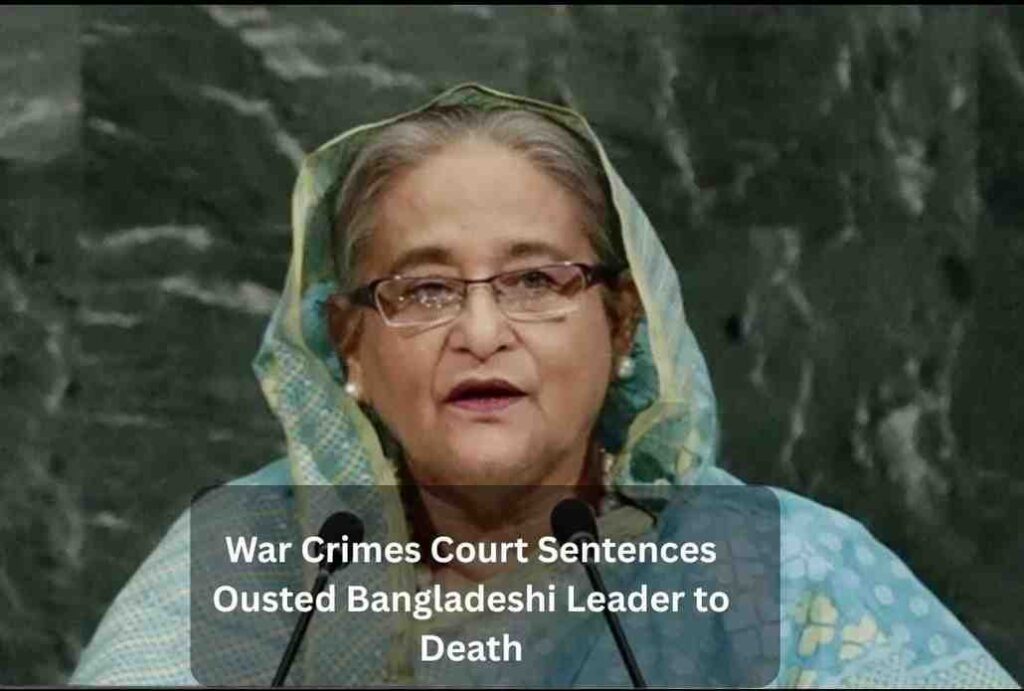
Bangladesh has been thrust into one of the most turbulent political moments in its recent history after a special war crimes tribunal handed down a death sentence to the country’s former prime minister. The dramatic verdict, announced on Monday, has triggered intense public debate, raised global concerns, and reshaped the nation’s political outlook ahead of a crucial election season.
A Historic Verdict Sends Shockwaves Across the Nation
The tribunal ruled that the ousted leader was directly responsible for ordering a violent and deadly operation against student demonstrators during a massive nationwide uprising last year. What began as a protest movement driven by frustration over unemployment, rising living costs, and demands for accountability soon evolved into one of the largest youth-led mobilizations Bangladesh had witnessed in years.
According to the court’s findings, the then–prime minister authorized security forces to use extreme force, resulting in widespread injuries, several deaths, and weeks of national unrest. The judgment marks a rare moment in the country’s political timeline, as Bangladesh has seldom seen a former head of government face such a severe sentence.
Political analysts say the ruling will likely deepen divisions within the nation, as supporters of the decision call it a long-overdue step toward justice, while critics describe it as politically motivated and intended to shape the upcoming elections.
A Trial That Captured the Country’s Attention
The case unfolded over several months, with hearings packed with emotional testimony, evidence from forensic teams, eyewitness accounts, and thousands of pages of government and investigative documents. Prosecutors argued that the former prime minister deliberately ordered “lethal state action” to crush dissent, an accusation the defense repeatedly denied.
Throughout the proceedings, the trial became a focal point of public interest. Television discussions, opinion pieces, and street conversations reflected a nation trying to understand the magnitude of what had taken place—and what the verdict would mean for Bangladesh’s future.
Legal scholars say the ruling is one of the most significant judicial decisions issued in the country for decades, as it sends a strong message that abuses of political power will not go unchecked, even at the highest levels of leadership.
Public Reactions Range From Relief to Outrage
The sentencing has set off waves of reactions throughout Bangladesh. Many citizens who supported last year’s student movement have welcomed the decision, expressing hope that it will deter future government overreach and strengthen democratic accountability.
On the other hand, the former leader’s political supporters and several opposition groups argue that the judgment is an attempt to influence the political landscape ahead of the national elections scheduled for early February. They fear that the verdict could escalate tensions and trigger new rounds of protests in an already polarized environment.
International human rights organizations and foreign governments are expected to comment formally in the coming days. Global observers will likely scrutinize both the fairness of the trial and the impact of the ruling on Bangladesh’s political stability.
What This Means for the Upcoming Elections
With only weeks left before Bangladesh enters full election mode, the judgment has immediately become a central issue in political discussions. Parties across the spectrum are recalibrating their strategies, aware that the verdict could shift public sentiment, reshape alliances, and redefine the narrative for the campaign ahead.
Political experts warn that the ruling may intensify competition between major parties, spark new street-level protests, and potentially alter voter turnout patterns. Many believe that the sentence, whether upheld or overturned on appeal, will leave a lasting imprint on Bangladesh’s democratic journey.
A Nation at a Crossroads
As Bangladesh watches the unfolding aftermath of this landmark decision, one thing is clear: the country stands at a pivotal moment. The verdict has reopened deep questions about political accountability, justice, state power, and the future of governance. Over the next several months, the nation’s response—both on the streets and at the ballot box—will likely determine the direction Bangladesh takes in the years to come.