India’s labour market offered a reassuring signal in November, as the national unemployment rate declined to 4.7%, marking its lowest level in several months. The improvement points toward a steady recovery in job creation and economic momentum, especially after a period of uncertainty earlier in the year.
The data, released by the Ministry of Statistics and Programme Implementation (MoSPI), covers individuals aged 15 years and above and is part of the government’s monthly labour force survey. The latest figures suggest that economic activity on the ground is increasingly translating into employment opportunities across both rural and urban India.
At a time when global economic conditions remain mixed, this development provides a measure of confidence about India’s domestic growth story.
A Snapshot of the Latest Employment Trends
According to the November data:
- Overall unemployment rate declined to 4.7%, the lowest since April
- Rural unemployment fell to 3.9%, setting a new historic low
- Urban unemployment eased to 6.5%, matching its best level recorded earlier in the year
These numbers indicate that hiring has strengthened across regions, with rural areas showing particularly strong gains.
Rural India Leads the Employment Recovery
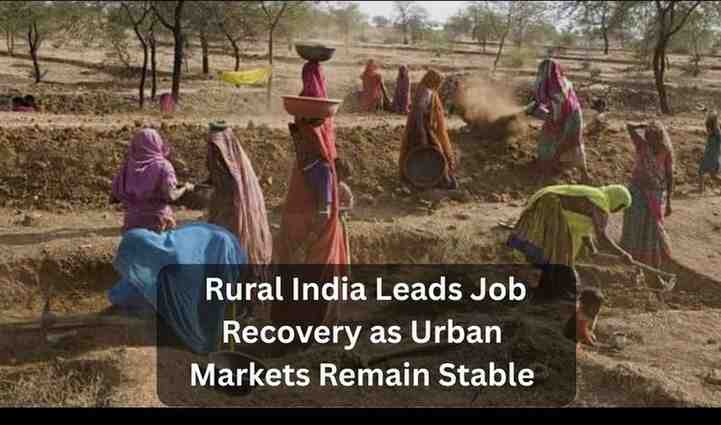
One of the most striking aspects of the November figures is the sharp improvement in rural employment conditions. With unemployment dropping to 3.9%, rural India has recorded its lowest joblessness level in recent history.
Several factors appear to be driving this trend:
- Seasonal agricultural activity increased following the monsoon, especially during harvesting and post-harvest operations
- Allied rural sectors such as dairy farming, animal husbandry, fisheries, and food processing saw higher labour demand
- Government-backed initiatives, including rural infrastructure projects and employment schemes, continued to absorb workers
- Construction and farm-related seasonal work provided short-term but widespread employment opportunities
Given that a significant share of India’s population depends on rural and agricultural livelihoods, even small improvements in rural employment can have a meaningful impact on incomes, consumption, and social stability.
Urban Job Market Shows Stability and Gradual Progress
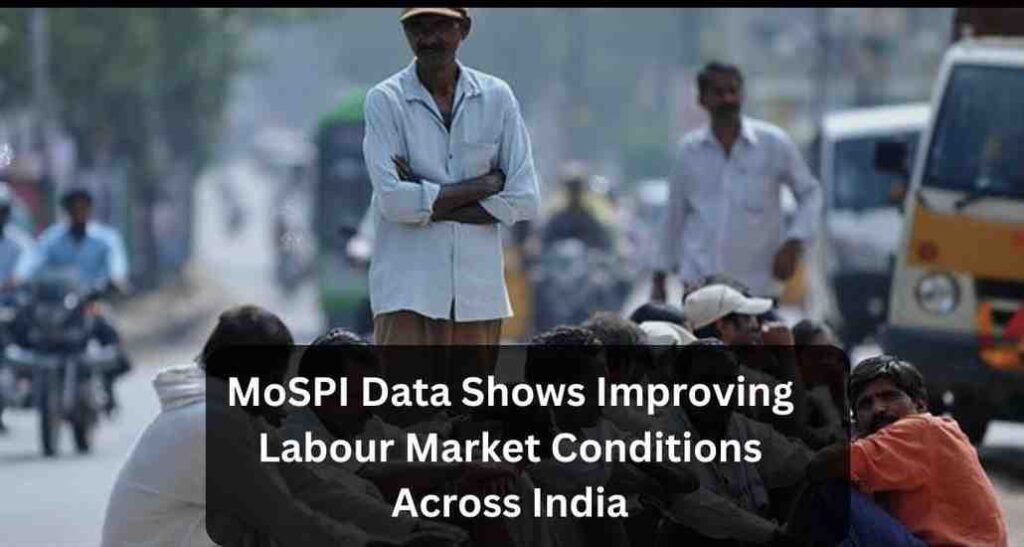
In urban centres, the unemployment rate eased to 6.5%, a level last seen earlier in the year. While urban joblessness remains higher than in rural areas, the trend suggests that cities are slowly regaining momentum.
Key contributors to urban employment growth include:
- Expansion in services sectors such as retail, hospitality, transport, logistics, and healthcare
- Continued hiring in IT services, digital platforms, and technology-enabled businesses
- Increased activity in manufacturing and construction, particularly in industrial corridors and fast-growing cities
Urban employment is typically more sensitive to global trends, interest rates, inflation, and corporate investment cycles. Against this backdrop, maintaining unemployment at this level is seen as a positive sign of resilience.
What the Falling Unemployment Rate Signals for the Economy
The decline in unemployment suggests that economic growth is becoming more employment-intensive. In practical terms, it indicates that businesses are hiring, demand is improving, and workers are finding opportunities at a better pace than earlier in the year.
This trend also points to:
- Stronger consumer demand, encouraging firms to expand operations
- Stabilisation after earlier volatility in labour market conditions
- Improved alignment between job seekers and available work, at least in certain sectors
Economists, however, often stress that unemployment figures should be read alongside other indicators such as labour force participation, wage growth, job quality, and employment security.
Areas of Concern That Cannot Be Ignored
Despite the encouraging headline numbers, several structural challenges remain in India’s labour market:
- Youth unemployment continues to be a concern, especially in urban and semi-urban areas
- A large share of employment remains informal, offering limited job security and social protection
- Skill mismatches prevent many educated young people from finding suitable work
- Women’s participation in the workforce remains lower than desired, despite recent improvements
Addressing these issues will require sustained policy efforts focused on skill development, MSME growth, manufacturing expansion, and formal job creation.
The Bigger Picture: Cautious Optimism Ahead
Overall, the November employment data paints a more positive picture of India’s labour market than seen in recent months. With unemployment at a multi-month low and improvements visible across both rural and urban regions, the economy appears to be absorbing workers more effectively.
While seasonal factors may have played a role, the broader trend suggests that economic activity is supporting job creation. If this momentum is backed by continued investment, policy support, and stable growth, it could strengthen household incomes, boost consumption, and reinforce India’s economic stability in the months ahead.
For now, the numbers offer a reason for cautious optimism — a sign that India’s growth is beginning to show up not just in statistics, but in people’s working lives.