As India prepares to welcome Russian President Vladimir Putin for the upcoming annual India–Russia summit in early December, diplomatic momentum between the two historic allies is clearly gathering speed. Expected to arrive in New Delhi around December 5, President Putin’s visit has already set the stage for renewed strategic dialogue, with meaningful discussions unfolding on both sides well ahead of the high-profile event.
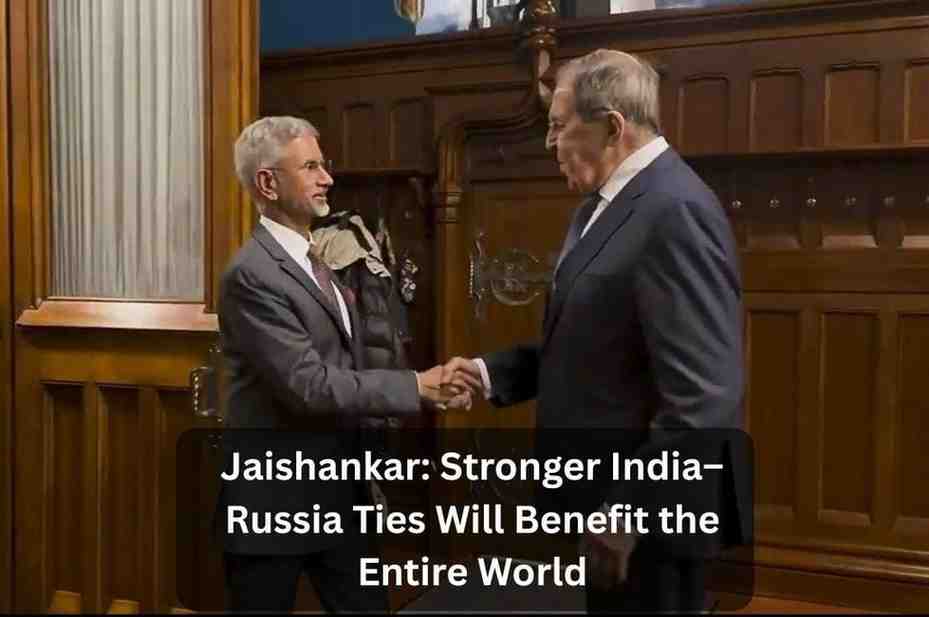
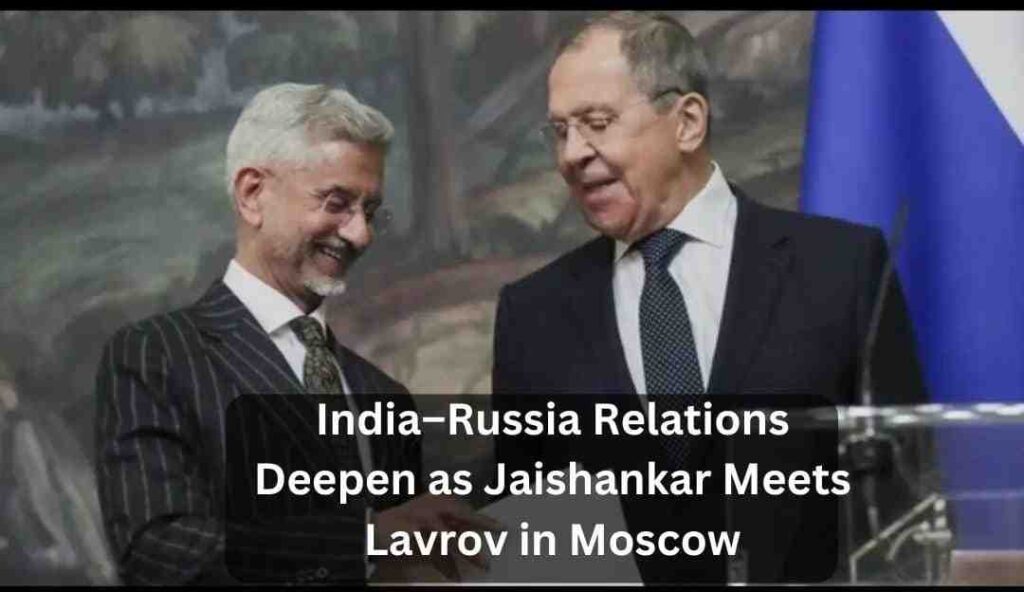
In a key development, India’s External Affairs Minister Dr. S. Jaishankar recently traveled to Moscow, where he met Russian Foreign Minister Sergey Lavrov. This engagement was far more than ceremonial — it reflected a deeper coordination aimed at reinforcing bilateral cooperation and strengthening global stability.
A Historic Relationship Deepening Over Time
Speaking after the Moscow meeting, Jaishankar described India–Russia relations as a “stabilising force” in global affairs. This statement carries weight, especially at a time when geopolitical uncertainties and shifting power dynamics dominate world politics.
For decades, India and Russia have shared a partnership that has withstood political transitions, ideological differences, and international turbulence. From Cold War cooperation to present-day strategic collaboration, the relationship has evolved while remaining resilient and dependable.
Key pillars of this longstanding bond include:
- Defence and military cooperation
- Energy security and nuclear collaboration
- Space research and technology
- Cultural and educational exchanges
- Economic and trade partnerships
Jaishankar reaffirmed that the two nations share aligned strategic interests and that their collaboration contributes positively not only to bilateral growth but to international peace and balance as well.
Inside the Jaishankar–Lavrov Talks: What Was Discussed?
The Moscow meeting came at a critical juncture when global conflicts, supply chain disruptions, and economic pressures are reshaping international cooperation. Both leaders used the opportunity to review ongoing projects and set the foundation for future collaboration.
1. Dialogue on Global and Regional Stability
Both ministers exchanged views on pressing international issues, emphasizing the importance of maintaining peace, promoting dialogue, and preventing further destabilisation in sensitive regions.
2. Defence and Security Cooperation
India remains one of Russia’s major defense partners. The discussions included:
- Progress on existing defense projects
- Joint production under the “Make in India” initiative
- Potential transfers of advanced technology
- Strengthening long-term military cooperation
3. Strengthening Energy Ties
Energy security was another central focus. With India increasing its imports of Russian oil and exploring alternative energy avenues, both sides expressed commitment to expanding cooperation in:
- Crude oil and natural gas supply
- Nuclear energy development
- Renewable and sustainable energy initiatives
4. Expanding Trade and Economic Links
Although trade between the two countries has grown, leaders acknowledged the potential for further expansion, especially in sectors like:
- Pharmaceuticals
- Agricultural products
- Infrastructure development
- Manufacturing and technology
- Enhanced connectivity through the International North-South Transport Corridor (INSTC)
5. SCO Cooperation
Jaishankar’s visit also coincided with the Shanghai Cooperation Organisation (SCO) Heads of Government Meeting, highlighting India’s role in regional diplomacy alongside Russia and other Eurasian nations.
Parallel Developments in New Delhi
While talks were taking place in Moscow, equally significant meetings were held in India.
Nikolay Patrushev, Secretary of Russia’s Security Council and a close aide to President Putin, met India’s National Security Advisor Ajit Doval. Their discussions touched upon sensitive strategic issues, reflecting the depth of mutual trust between the two nations.
Key areas of focus included:
- Intelligence sharing and counter-terrorism
- Regional security dynamics
- Maritime security cooperation
- Indo-Pacific strategy coordination
Patrushev also met India’s National Maritime Security Coordinator, Vice Admiral Biswajit Dasgupta, underlining the shared commitment to maintaining stability in the maritime domain.
What the Upcoming Summit Is Likely to Deliver
The forthcoming India–Russia summit is expected to produce tangible outcomes across multiple sectors. Observers anticipate new agreements, strengthened commitments, and a clearer roadmap for the future.
Expected Focus Areas:
- Joint Defence Production: Boost to co-development and indigenisation of defence platforms
- Energy Security: Long-term supply agreements and expansion of nuclear power facilities
- Trade & Finance: Efforts to overcome sanctions-related payment challenges and streamline trade channels
- Regional Stability: Unified stance on counterterrorism and geopolitical balance
- Connectivity Corridors: Greater emphasis on transport links through INSTC and allied projects
This visit will likely reinforce the strategic narrative that India and Russia are committed to cooperation based on mutual respect and shared global interests.
Why This Partnership Holds Global Significance
Jaishankar’s comment that India–Russia ties benefit the world is not mere diplomacy — it mirrors a reality recognised by global observers.
1. Stable Partnerships Create Global Balance
In an unpredictable world order, long-standing relationships help soften geopolitical volatility.
2. Security Cooperation Reduces Conflict
Joint efforts in peacekeeping and counterterrorism strengthen regional and international safety.
3. Economic Stability and Energy Security
Their collaboration plays a role in stabilizing global energy markets and supply chains.
4. Promotion of Multipolarity
India and Russia advocate a world where power is distributed rather than dominated, supporting a balanced global governance structure.
Conclusion: A Strategic Relationship Moving Forward With Purpose
The renewed diplomatic engagement between India and Russia signals not just continuity, but evolution. With high-level discussions already underway and President Putin’s visit on the horizon, both nations are demonstrating strong intent to elevate their strategic partnership.
From Moscow to New Delhi, dialogue, preparation, and collaboration are paving the way for a future that strengthens not only bilateral ties but contributes to a more stable global environment.
As geopolitical landscapes shift and alliances evolve, the India–Russia relationship stands as a powerful example of consistency, mutual respect, and shared vision for a balanced world order.